
The Alia Transformation in Benue State”
By
Fely Mammah
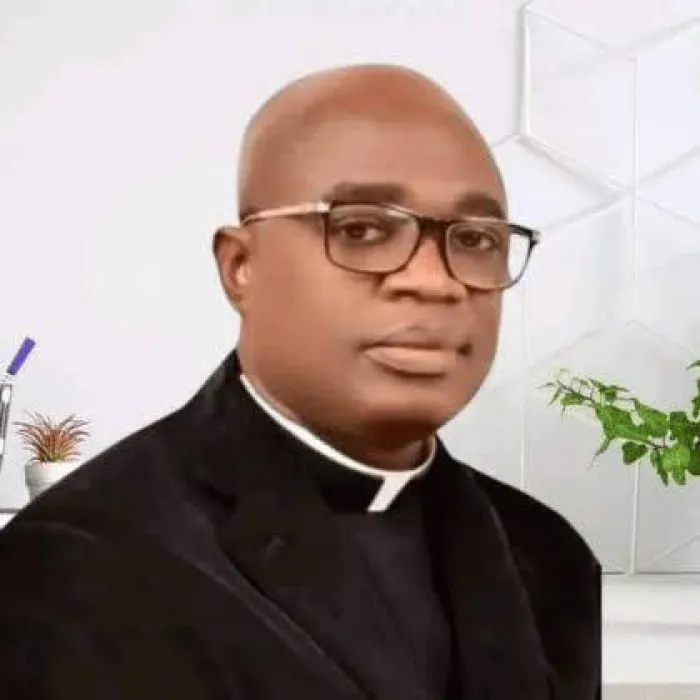
Civil servants in Benue State will forever remain grateful to their Executive Governor, Fr. Hycienth Alia, for liberating them from years of work without pay—a hardship that especially affected retirees who died in active service while still owed salaries, living out Fela Kuti’s old description of “suffering and smiling.”
From the moment he assumed office, Governor Alia demonstrated sincerity of purpose by prioritizing the prompt payment of all outstanding and inherited salary arrears. He cleared debts he did not incur and introduced a ₦70,000 minimum wage, a feat many other states are still struggling to achieve. His emergence lifted civil servants from the “sledgehammers” of previous administrations, a situation likened to the Israelites’ suffering under King Saul in 1 Samuel 12:19, which pushed them to cry out for divine rescue.
Today, Benue people breathe fresh air as institutions undergo sanitisation, youths secure pensionable jobs, and visible development inspires renewed hope. High-profile figures—among them Prof. Wole Soyinka, ambassadors, the WHO, and the United Nations—have shown interest in partnering with the state and even seeking residence despite national security challenges.
Opposition to Fr. Alia has only strengthened him, reminiscent of the rise of King David in 2 Samuel 3:1. Like David returning the Ark (2 Samuel 6:2), his rising popularity is tied to the support of his people. With unified backing and without political distractions, his administration’s mandate will advance even further. His leadership style mirrors the transformative governance of Burkina Faso’s President Ibrahim Traoré, former FCT Minister Nasir El-Rufai, former Lagos Governor Babatunde Fashola, and current FCT Minister Nyesom Wike.
Recognizing he cannot be everywhere at once, Governor Alia urges citizens to “watch with him,” just as Jesus instructed His apostles—to stay vigilant and raise the alarm when necessary. As scripture recounts that the walls of Jericho fell through praise, Benue citizens testify that their governor prioritizes their wellbeing. His administration has embarked on major health projects, including an ₦18 billion Cancer Centre, diabetic care facilities, and a comprehensive upgrade of the state’s teaching hospital to cater to the most vulnerable, including children with disabilities.
Since taking office, he has embraced grassroots governance rather than hosting extravagant gatherings that drain resources meant to alleviate poverty. His presence in Abuja is strictly for Federal Executive Council duties on behalf of Benue people. Though a politician, he is widely respected as a spiritual and community-rooted leader. Even his critics cannot accuse him of neglecting development, delaying salaries, or mismanaging public funds.
Nigeria has moved beyond the era of political thuggery and outdated systems; the digital age now provides opportunities for artisans, mechanics, and people with limited formal education. This generation must strive to accomplish what their forefathers could not. Many leaders who once wasted the youth’s time came from flawed foundations, which they later overcame through determination. Rising from grassroots himself, Governor Alia is committed to raising new leaders from similar backgrounds.
Biblical history teaches that “whom God has blessed, no man can curse.” Saul fell for David’s sake, Potiphar’s wife was humbled for Joseph’s sake, and Jacob’s love elevated Rachel above Leah. Determination made Jacob greater than Esau—proof that destiny favors the chosen.
Governor Alia seeks collaboration with honest individuals—skilled and unskilled, literate and illiterate—who are committed to Benue’s progress. And while security measures may limit access to him in the Government House, he remains easily reachable in the chapel, where he regularly interacts with intellectuals and future contributors to his administration.

Write a Comment