
UNITED FOR RESTORATION: GOVERNOR ALIA AND BENUE PEOPLE SET TO RECLAIM THEIR LOST GLORY
Felicia Mammah
The timeless adage, “Ninety-nine days for the thief, one day for the owner,” has found chilling relevance in the unfolding reality in Benue and Plateau States. These regions have become case studies in the tragic saga of herdsmen violence—where the perpetrators are no longer lurking in the shadows, but in plain sight, and the consequences are dire.
Citizens can no longer deny the daily loss of lives—brothers, sisters, fathers, and children slaughtered without mercy. This subtle but strategic decimation of the population appears aimed at creating a vacuum for foreign, uncircumcised intruders to dominate and occupy indigenous lands.
Is it that the Nigerian government is incapable of conducting a credible census, or is there a more sinister collaboration allowing this demographic manipulation to fester? The rising questions beg honest answers. Spiritually and socially, our once-hopeful youth—armed with degrees and dreams—find themselves shackled by unseen forces, voiceless and visionless, with their futures slipping through unopenable doors.
The pride of the youth—his strength—has become his burden, while the wisdom of the aged no longer finds hope in the next generation. The chorus across the land is no longer one of progress, but one of survival: “To your tents, O Israel!” Families now beg for safety over employment, protection over prosperity.
Even spiritual sanctuaries, where miracles abound, have yet to arrest the bloodshed. Legendary musician Sonny Okosun once asked, “Where do we go from here?” That question still haunts us. The silence of the altars, and the failure of faith leaders to interpret this dark chapter, make us wonder: is God silent, or are our prayers now an abomination?
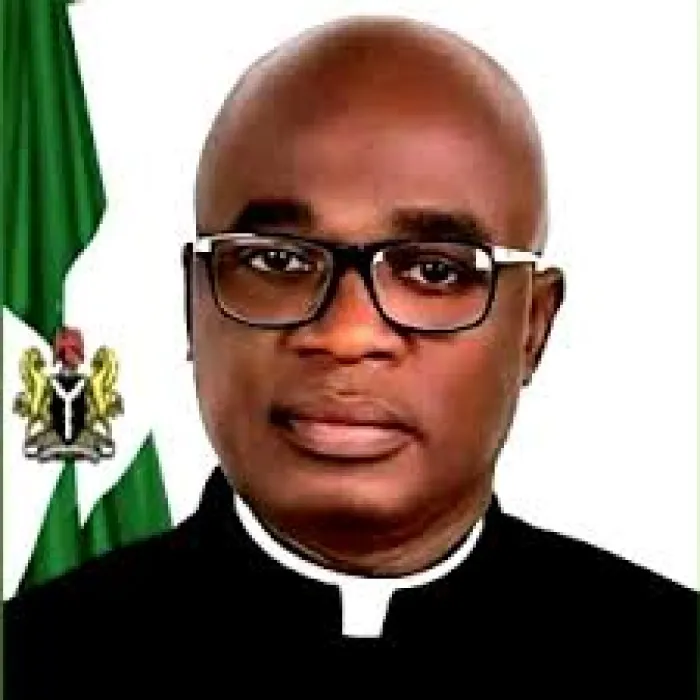
Yet, amid the chaos, a new light has emerged. Governor Hyacinth Iormen Alia, though once underestimated, has proven himself a man of purpose. He came not to play politics as usual, but to fulfill a divine mandate: to rescue his people from destruction. Like Ibrahim Traoré of Burkina Faso, Governor Alia is a bold reformer, disrupting entrenched systems and rattling the comfort of freeloaders who once thrived on state funds.
His projects are not just brick and mortar—they are symbols of defiance and hope. Every attack on his administration is a reaction to a system that refuses to be looted. In his own words: “Freeloaders cannot find a loophole to steal government monies meant for genuine purpose.”
As the world watches the suffering of Benue, many, at home and abroad, stand firmly behind Governor Alia. His integrity, composure, and action-first approach mark him as a leader set apart from political charlatans who revel in the people’s misery.
Attacking the governor or destroying public assets in frustration will only slow down the progress desperately needed. The people must unite with Governor Alia—not just in hope, but in action. The fight against invaders, including those masked as herdsmen, cannot be won alone. It requires intelligence sharing, community vigilance, and unity across the state.
Benue must stand together, because the herdsmen are not ghosts. They come from neighboring areas like Taraba and Nasarawa. With courage and information, Fr. Alia’s administration will continue to uproot the threats and fortify the land.
The world urges patience with Governor Alia as he navigates the complexities of power and politics. Nature has chosen him, and destiny demands that he deliver. As citizens have rightly said: “The Bishop who ordained him saw his potential. Others are only just beginning to see it.”
Governor Hyacinth Iormen Alia is not a conventional politician—he is a visionary, equipped with intellect, humility, and a rejection of primitive power games.

Write a Comment