
Taribo West, Nigeria Owes You Nothing
Sometimes, there are topics that are highly sensitive, and people often shy away from discussing them due to the potential for backlash. In our country, almost every issue is politicized and quickly turned into a “we vs them” situation.
However, those who follow me closely on this platform know that I am not one to shy away from speaking my mind, no matter whose ox is gored. I don’t pander to political correctness. I speak only after critically analysing an issue, and I take a position I believe is fair and justifiable.
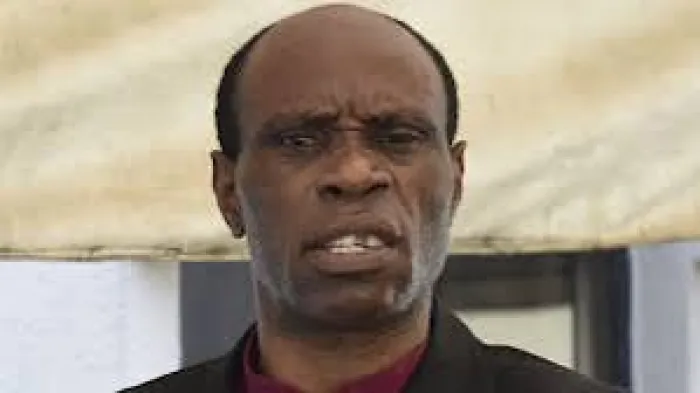
Now, to the matter at hand. Taribo West’s emotional outburst during the funeral of Dodo Mayana (Peter Rufai) was completely out of place and unnecessary. If he does not want his children to play for Nigeria, that’s his choice. He is free to take them to any country he prefers. But to stage an emotional scene at the funeral of a national football legend was not only uncalled for—it was immature.
Let’s be clear: nobody asked Taribo or his old teammates to foot the bill for Peter Rufai’s funeral. Rufai was not a poor man. He was one of the few ex-footballers who did not mismanage his finances after retirement.
He lived modestly, remained active in the game as a pundit, and had just finished writing his autobiography, which he was planning to launch before he fell ill and passed away. In fact, according to sports journalist Mumini Alao, plans are underway to launch the book posthumously.
If some teammates chose to reach out and contribute towards the funeral, it wasn’t because the family couldn’t afford it—it was simply a symbolic gesture. If Taribo didn’t have money to contribute, he could have said so. But assuming that his teammates were footing the entire funeral bill is a gross misjudgement on his part.
I have it on good authority that the Lagos State Government contributed significantly to the funeral. So did the Nigeria Football Federation (NFF) and the Lagos State Sports Commission. I know the exact amounts contributed, but that’s not the focus of this article.
Therefore, all the wailing by Taribo was completely unnecessary. Most importantly, even if the government had given nothing, the late Peter Rufai came from a financially stable royal family in Lagos. They have the means to bury their son without appealing for help.
Peter Rufai, in his lifetime, hated the idea of begging. When he was ill, he didn’t tell anyone. Even when close friends learned of his illness and wanted to solicit funds, he stopped them. He paid his medical bills quietly and died a dignified man. That’s why Taribo’s public drama at his funeral was not only inappropriate—it was embarrassing.
If Taribo West is broke, he should say so. But he should not use the burial of a proud and dignified man as a platform to blame Nigeria for his financial mess. For goodness’ sake, Nigeria owes him nothing.
Let’s face the facts: from the 1993 generation of Super Eagles—which was the first group to start earning good money from European clubs—up to the current squad, no one should be broke after retirement if they managed their finances wisely.
Taribo West played for top European clubs like Auxerre and Inter Milan, earning substantial wages. If today he is struggling financially, that is on him—not Nigeria. Between 1997 and 1999, he played at Inter Milan alongside:
Ronaldo (Brazilian striker, “O Fenômeno”)
Christian Vieri (Italian striker)
Iván Córdoba (Colombian defender)
Álvaro Recoba (Uruguayan forward)
Diego Simeone (Argentine midfielder)
All of these players transitioned successfully after retirement:
Ronaldo is now the owner and president of Spanish club Real Valladolid and previously owned Cruzeiro in Brazil. He’s currently planning to run for the presidency of the Brazilian Football Confederation.
Christian Vieri went into media, launching “Bobo TV” on Twitch and working as a pundit for DAZN and BeIN Sports. He co-founded a clothing label (“Sweet Years”), created a beer brand, produced music, and hosts charitable events like the Bobo Summer Cup.
Iván Córdoba served as Inter’s team manager from 2012 to 2014 and later worked as a management advisor at Venezia (2021–2024).
Diego Simeone became a world-class manager, leading Atlético Madrid since 2011 to multiple titles including La Liga and the Europa League.
These men invested wisely, diversified their portfolios, and created sustainable careers beyond football because they understood that a football career is short-lived. They planned for life after retirement.
Across Europe and South America, have you ever heard of any government taking care of its retired footballers? John Barnes of England is reportedly broke today yet has never blamed the UK government. He was the first Black captain of England, but he owns his reality. Nobody told him to mismanage his wealth. And hes not wailing why England is not bailing him out.
Paul Gascoigne squandered his fortune on alcohol and gambling. The UK government isn’t footing his bills. He lives humbly now—that's life. The point is: it’s not just in Africa or Nigeria that some footballers have ruined their post-playing careers. But none of them are cursing their countries for not coming to their aid.
The entitlement mentality some of our ex-footballers’ carry is both appalling and irritating. Nigeria owes you nothing! You chose this career path. You knew football wouldn’t last forever. If you didn’t invest wisely or develop alternative skills when you were earning millions, don’t turn around to blame the country.
Wearing the national colours is an honour, not a lifelong entitlement to be on the government’s payroll. Footballers in Europe—where over 95% of Nigerian professionals ply their trade—don’t hold their countries to ransom after retirement. Why should it be different here?
Even winning trophies for the country doesn’t guarantee monetary rewards. That’s at the discretion of whoever is president at the time. President Obasanjo offered nothing—not even a gift—beyond a handshake. President Tinubu is offering cash and gifts. The next president might not. The real benefit of playing for the national team is the career boost it gives you—not a pension plan.
If you don’t want to play for Nigeria, that’s your loss. But stop the blackmail.
This is a wake-up call to all current athletes, especially those in sports with short career spans. Invest your earnings. Prepare for the future. Learn a new skill. Get an education—formal or informal. Build a career around your sport as a coach, analyst, administrator, or mentor. There are endless opportunities to remain relevant and financially stable.
Gary Lineker, for example, retired from football and moved into television. He became one of the BBC’s highest-paid talents, hosting Match of the Day for 26 years until he retired in 2025. Between 2016 and 2020, he earned £1.75–£1.76 million annually. Even after a pay cut, he earned around £1.35 million until his final year—2024/25—still topping the BBC’s pay list.
So, Taribo, enough of the drama. Smell the coffee. *Nigeria owes you nothing. Drop the entitlement mentality*
Write a Comment