
Igbu-Efi in Ngwa Burials: A Tradition Under Debate, Not Yet Abolished
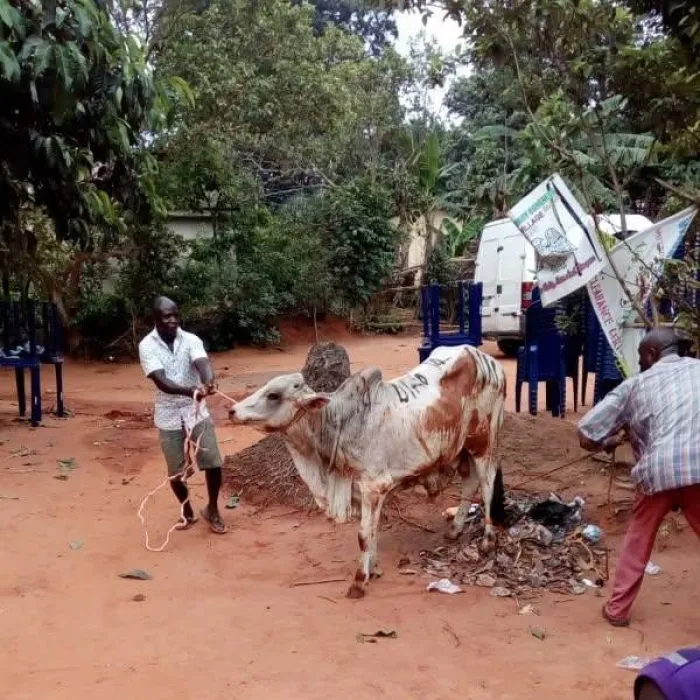
The requirement of a cow—known as Igbu-Efi—in traditional burials remains a deeply rooted practice in many Igbo communities, including parts of Ngwa. Despite growing debates and criticism, especially over its cost, the practice has not been abolished in any widespread or universally accepted way. Instead, it continues to stand as a powerful cultural obligation for many families.
The Role of the Cow in Ngwa and Wider Igbo Burial Traditions
In Ngwa land and much of Igbo society, the ritual killing of a cow is seen as a crucial rite of passage. It is believed to help the deceased transition properly into the spirit world and secure an honorable place among the ancestors. This act is closely linked to Ikwa Ozu (the celebration of the dead) and carries deep spiritual and social meaning.
Status, Honor, and Social Meaning
Performing Igbu-Efi is regarded as the highest form of respect for a deceased parent. It also elevates the social standing of the children, particularly male offspring. A man who performs this ritual for his father may earn the title Ogbuefi (“cow killer”), a mark of honor and maturity within the community.
Consequences of Not Performing the Rite
Traditional belief holds that failure to perform the required burial rites can bring misfortune upon the family. There is also a strong taboo that a person who has not carried out Igbu-Efi for their own parent must not eat cow meat at another person’s funeral, as doing so is believed to invite serious spiritual consequences.
Specific Ritual Roles
In places such as Nnentu Ngwa, the ritual follows strict customs:
• The second son is traditionally expected to behead the cow in a prescribed manner.
• The first daughter (Ada) of the deceased also plays an important ceremonial role.
These details reinforce the sacred and communal nature of the rite.
Setting a Family Precedent
Once a family performs Igbu-Efi for a parent, it sets a binding precedent. Future generations within that lineage are expected to perform the same ritual—or an even more elaborate one—during subsequent burials, making the practice self-perpetuating.
Why Abolition Is Difficult
Efforts to abolish or reform the practice face strong resistance due to several factors:
• Economic Burden: The cost of purchasing a cow is extremely high and often pushes families into long-term financial hardship. This is a major reason modern voices call for reform.
• Cultural Identity: Many see Igbu-Efi as inseparable from their heritage. Questioning it is often viewed as disrespecting ancestors and tradition.
• Community Enforcement: Groups such as elders and Umuada (married daughters of the clan) actively enforce compliance, ensuring that families follow the established customs.
Conclusion
Although modern perspectives, religious teachings, and economic realities have sparked conversations about reform, Igbu-Efi remains largely intact in Ngwa traditional burials. Its abolition has neither been universally accepted nor fully implemented. The practice continues to exist at the intersection of culture, spirituality, social pressure, and economic strain—making it one of the most sensitive and complex traditions in Igbo society today.

Write a Comment