
World Cancer Day 2026: Nigeria Intensifies Cancer Fight with Nationwide Screening
Nigeria is intensifying efforts to reduce cancer-related deaths through expanded early detection, increased investment in research, and the rollout of nationwide screening programmes, as stakeholders prepare for the 2026 World Cancer Day.
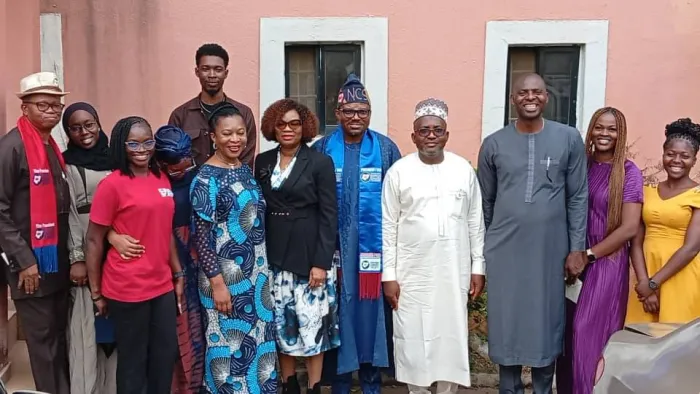
At a pre–World Cancer Day press briefing in Abuja, President and Chief Executive Officer of the Nigerian Cancer Society (NCS), Professor Abidemi Omonisi, described the annual observance as a time for reflection, solidarity, and renewed commitment to confronting the growing cancer burden. He noted that millions of Nigerians continue to feel the impact of the disease either as patients, survivors, caregivers, or grieving families, stressing that no one facing cancer should feel alone.
Professor Omonisi explained that the 2026 theme, “United by Unique,” highlights the deeply personal nature of every cancer journey while emphasising the need for collective action. According to him, cancer goes beyond a medical diagnosis, affecting livelihoods, family stability, and future aspirations. He warned that late diagnosis, limited access to screening, high treatment costs, and unequal access to quality care continue to worsen outcomes across the country.
While acknowledging progress such as the establishment of the National Institute for Cancer Research and Treatment (NICRAT), the updated National Cancer Plan, and the creation of the National Cancer Health Fund, Omonisi said significant gaps remain in oncology services, diagnostic capacity, and skilled manpower. He called for stronger collaboration among government agencies, healthcare professionals, researchers, civil society, and the private sector, stressing that investment in cancer control is essential for national development.
Also speaking, Director-General of NICRAT, Professor Usman Malami Aliyu, represented by the Institute’s Director of Cancer Prevention and Control, Dr. Usman Mohamed Waziri, said the federal government is placing greater emphasis on cancer research and prevention. He revealed that dedicated funding is now being channelled toward building research capacity, improving data quality, and supporting young scientists focused on cancer studies.
Waziri commended the Nigerian Cancer Society for bridging the gap between research, policy, and clinical practice, adding that efforts are ongoing to nationalise cancer screening and integrate services across all levels of healthcare. He disclosed that national screening clinics are being introduced in eight health facilities, offering services ranging from basic clinical examinations to mammography, endoscopy, and other specialised procedures. Strengthening the National Cancer Health Fund, he added, is critical to improving access to treatment and addressing the challenge of late presentation.
Professor of Haematology, Professor Folakemi Odedina, identified clinical trials as a key pathway to achieving more effective treatments and possible cures for prostate cancer, particularly in Africa where mortality rates remain high. Representing the International Consortium for Clinical Care and Research (ICCARE), she announced a partnership with the Nigerian Cancer Society aimed at enhancing early detection, expanding public awareness, and promoting routine screening.
She described prostate cancer as a major health threat and a known killer of many Nigerian men, often driven by late diagnosis and poor access to care. The collaboration, she said, will focus on improving quality care and reducing death rates, while also providing specialised training for Nigerian media professionals to strengthen accurate reporting, public education, and advocacy on cancer-related issues.
As part of the nationwide campaign, Professor Omonisi announced that World Cancer Day 2026 will be commemorated simultaneously across the 36 states and the Federal Capital Territory. Activities will include free breast, prostate, and cervical cancer screenings, the launch of the Strategic Cancer Control Plan (2026–2030), cancer awareness walks, public lectures, and symposia.
He added that regional mega rallies and large-scale screenings will take place across the six geopolitical zones through February 28, with the series of events expected to culminate in an international press conference in early March.

Write a Comment