
WE’VE HAD ENOUGH: Outrage Trails National Assembly Proceedings Over Electronic Transmission Debate
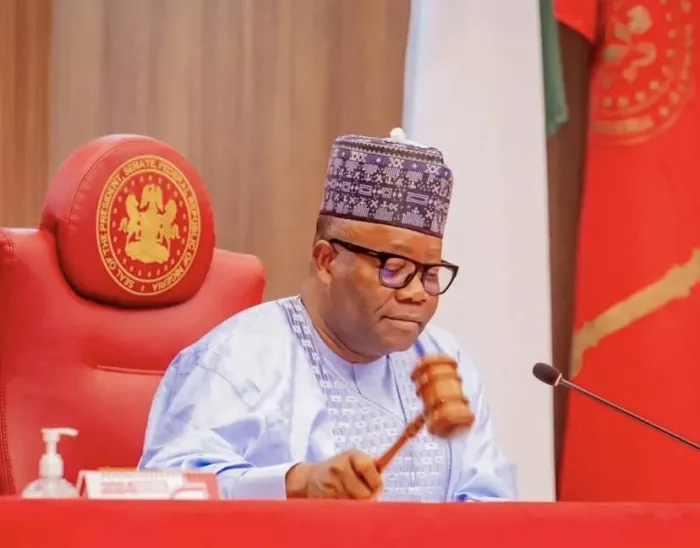
Fresh controversy erupted at the National Assembly on Tuesday as political tensions flared over the issue of mandatory electronic transmission of polling unit results ahead of the 2027 general elections.
Critics of the ruling All Progressives Congress (APC) described the day’s events as confirmation of fears that efforts are underway to undermine electoral transparency. Some lawmakers, in heated exchanges, reportedly shouted “APC Olee!” — a phrase suggesting accusations of wrongdoing.
Opponents of the current legislative position argue that Nigerians have consistently demanded that electronic transmission of polling unit results be made mandatory to ensure credibility in future elections. They insist that public hearings and stakeholder engagements demonstrated overwhelming support for unconditional electronic transmission.
Attention has particularly focused on Senate President Godswill Akpabio, whom critics accuse of backing efforts to weaken the legal framework for mandatory electronic transmission. In strongly worded reactions circulating on social media, some activists alleged that he is “personally responsible” for what they describe as a conspiracy against the Nigerian electorate.
Supporters of electronic transmission point to positions previously expressed by the Independent National Electoral Commission (INEC), civil society organisations, and various stakeholders advocating for free, fair, and credible elections.
However, APC lawmakers have maintained that electoral laws must be carefully structured to align with constitutional provisions and technological realities, insisting that no final decision has been taken to undermine the integrity of the 2027 polls.
In reaction to the developments, some activists have called for civil action and public pressure campaigns targeting key political figures. Comparisons have been drawn to historical protest movements abroad, including boycotts used during civil rights struggles in the United States, as a strategy to demand policy reversals.
Political analysts warn that the escalating rhetoric underscores the growing anxiety surrounding preparations for the 2027 general elections. While debate over electoral reforms remains ongoing within both chambers of the National Assembly, observers stress that maintaining public trust in the democratic process will be critical in the months ahead.
As discussions continue, Nigerians across political divides appear united on one issue: the credibility of future elections remains a matter of national importance.

Write a Comment