
Ivory Coast’s President Alassane Ouattara Wins Fourth Term with 89.77% of Vote
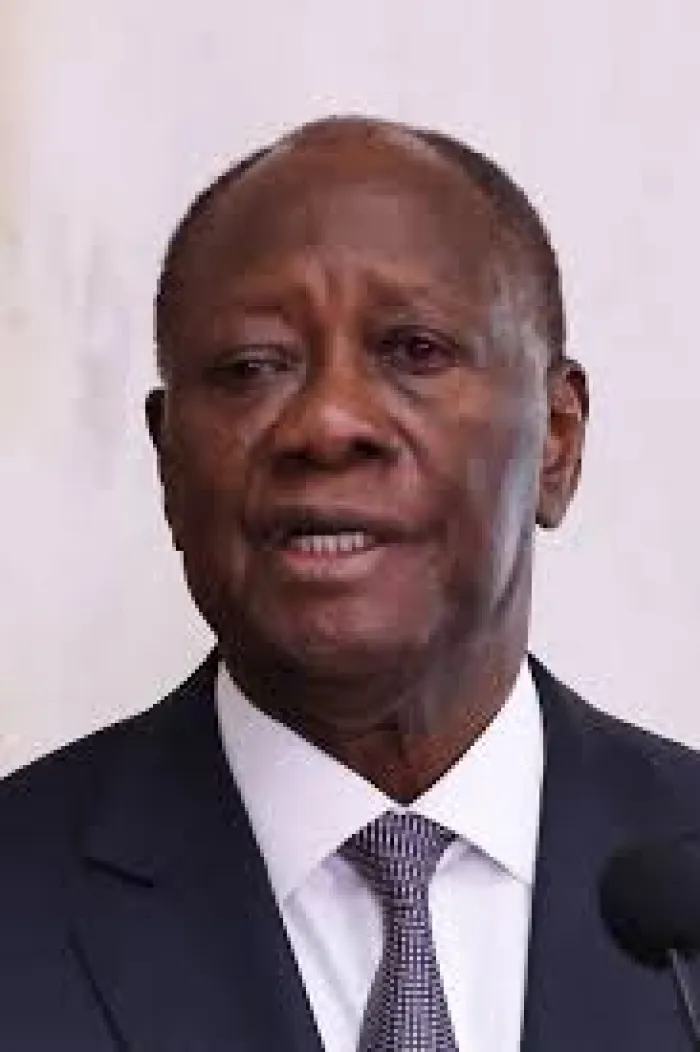
Ivory Coast’s President Alassane Ouattara has won a fourth term in office, securing 89.77 percent of the vote in Saturday’s presidential election, the country’s electoral commission announced on Monday.
The election, which saw over nine million eligible voters cast their ballots, took place peacefully in a country that has largely remained stable, avoiding the coups and jihadist insurgencies that have destabilized much of West Africa.
According to the commission’s chairman, Ibrahime Kuibiert Coulibaly, entrepreneur Jean-Louis Billon finished a distant second with 3.09 percent, while voter turnout was recorded at 50.10 percent — nearly identical to the 2020 election, when Ouattara won with 94 percent amid an opposition boycott.
“President Alassane Ouattara has obtained 89.77 percent of the votes cast and is therefore declared elected President of the Republic of Côte d’Ivoire,” Coulibaly said while announcing the official results in Abidjan.
Early results released on Sunday already showed Ouattara leading comfortably with more than 90 percent of votes counted.
The 81-year-old president’s overwhelming victory further consolidates his grip on power, extending a tenure that began in 2011 after a civil conflict that followed disputed elections.
Ouattara’s main political rivals — former president Laurent Gbagbo and former Credit Suisse CEO Tidjane Thiam — were both barred from contesting. Gbagbo was disqualified due to a past criminal conviction, while Thiam was ruled ineligible for holding French citizenship.
Observers have noted that the absence of key opposition figures significantly reduced the competitiveness of the election. However, the government insists that the process was transparent and in line with electoral laws.
Ivory Coast’s relative political and economic stability stands in contrast to the broader West African region, where countries such as Mali, Niger, and Burkina Faso have experienced multiple military coups in recent years.
Still, critics warn that the growing trend of long-term presidencies in Africa — with leaders like Cameroon’s Paul Biya and Congo’s Denis Sassou Nguesso — poses a serious threat to democratic governance on the continent.

Write a Comment