
Gov. Alia’s Mineral Resource Drive Sparks Remarkable Turnaround in Benue
By
Fely Mammah
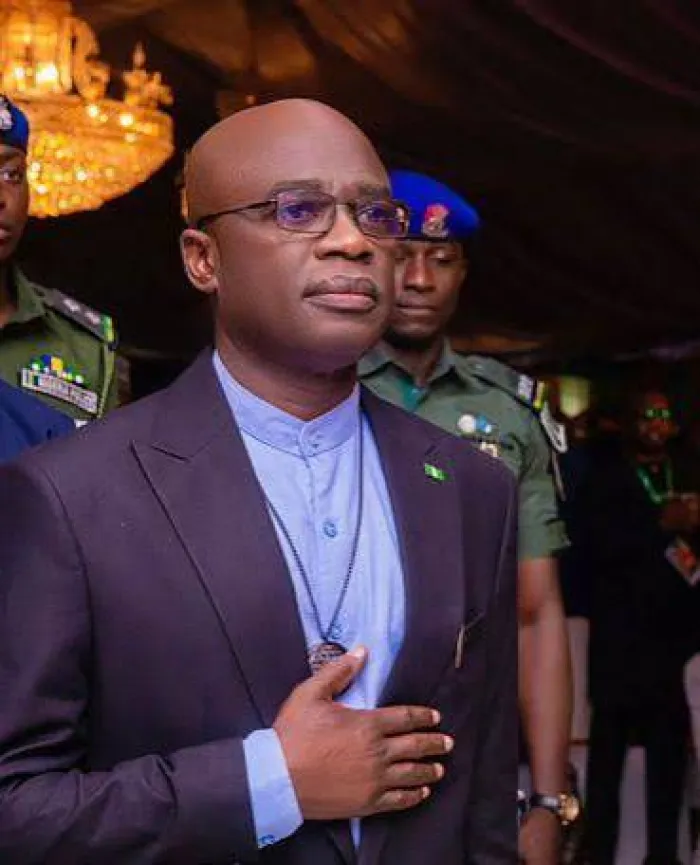
The Governor of Benue State, Hycient Alia, has been widely praised for what observers describe as a surprising transformation of the state through strategic investment and renewed focus on its vast mineral resources.
For decades, many of Benue’s natural deposits were largely untapped or undervalued. However, under Governor Alia’s leadership, these resources are increasingly being recognized as economic assets capable of boosting internally generated revenue and strengthening the state’s GDP. Supporters argue that his administration has repositioned the state to harness raw materials for export and industrial growth.
Governor Alia’s emergence has also had a significant impact on the youth population. Many young people across the state view him as a bold and influential role model whose courage and decisiveness have inspired renewed confidence in leadership. His story, they say, reinforces the belief that with faith, determination, education and the right exposure, individuals can overcome obstacles and achieve purposeful leadership.
Political analysts note that his rise to office demonstrated that leadership is not a birthright but a responsibility earned through preparation, conviction and service. A Catholic priest before venturing into politics, Alia is regarded by supporters as someone who combined spiritual discipline with academic development and administrative capacity — qualities they say have helped him coordinate governance effectively.
In less than two years in office, visible developmental projects across sectors have strengthened his public image. While a formal presentation of his administration’s scorecard is expected during future political engagements, backers insist that infrastructure improvements, governance reforms and youth-focused policies already speak volumes.
Governor Alia’s leadership style has often been described as fearless and reform-driven. Admirers compare his outspokenness to cultural icons such as Fela Kuti, noting his refusal to bow to entrenched political interests. They also highlight his advocacy for improved security measures and structural reforms to address longstanding challenges facing the state.
Despite political opposition, Alia has maintained a reputation for firmness and transparency, positioning himself, according to supporters, as a leader committed to rebuilding Benue without compromising his principles. His emphasis on accountability and youth empowerment has encouraged many young people to pursue leadership aspirations of their own.
Described by admirers as soft-spoken yet articulate, the governor continues to command loyalty among constituents who see him as both a spiritual guide and a political reformer. His ability to blend humanitarian values with administrative leadership has earned him widespread recognition beyond the state.
As debates continue around his policies and political future, one thing remains clear: Governor Alia’s tenure has reshaped conversations about resource management, youth empowerment and leadership identity in Benue State. For many of his supporters, his legacy is already taking root — not merely in physical projects, but in the renewed confidence of a generation determined to build a “New Benue.”

Write a Comment