
From Despair to Hope: How Ella Helps Foundation Is Changing Lives in Suleja
Favour Amako & Aiyeku Timothy
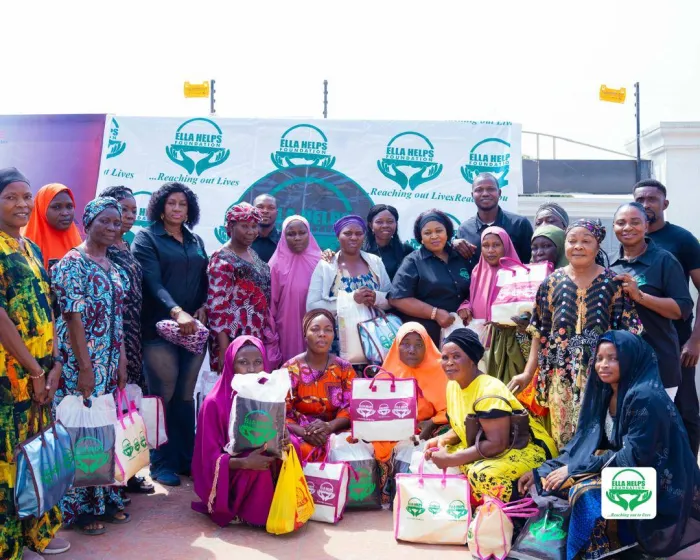
They waited, some with trembling hands, others with quiet, wary eyes. For months, they had carried invisible burdens, empty shelves, unpaid school fees, aching bodies, and hearts heavy with uncertainty. And then, just when hope seemed distant, it arrived, not as speeches or fanfare, but as cash, medical care, food items, wrappers, and stacks of exercise books.
For 480 widows and dozens of persons living with disabilities in Suleja, Niger State, the Ella Helps Foundation delivered help that was immediate, tangible, and deeply human.
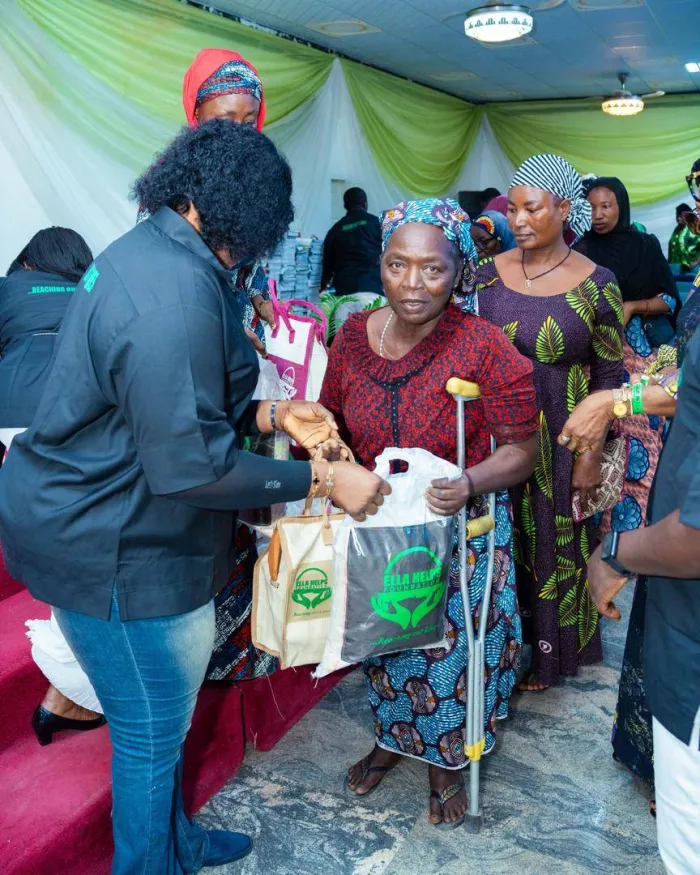
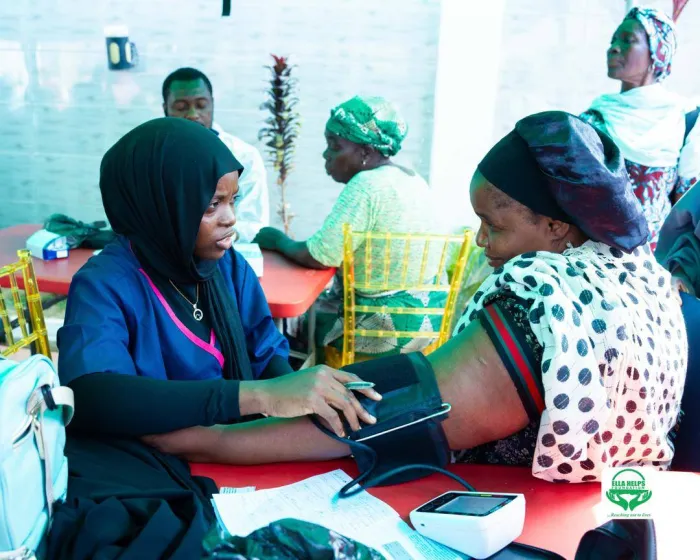
At Lace Hotel and Suites, the foundation’s annual widows’ empowerment program unfolded like a lifeline. Women clutched food items some with tears glistening in their eyes, others simply smiling in disbelief. Volunteer medical personnel stationed among the crowd, checking blood pressure, conducting consultations, and offering care that many had gone years without receiving.
Among the crowd, Mrs Victoria, a widow shared her relief softly: “I was afraid I might not afford school for my children again. Today, I can breathe. Today, I can hope.” Nearby, Tina, held her support package close. “I feel seen,” she said. “Finally, someone remembered us.”
The foundation’s reach extended beyond the event hall. More than 3,000 exercise books were delivered to classrooms across Suleja Local Government Area, easing the burden on families struggling with rising living costs and helping children stay in school.
Globally, widows and persons living with disabilities remain among the most marginalized, particularly in low-income countries where inflation and unemployment deepen vulnerability. Widowhood in Nigeria often triggers economic decline, social isolation, and limited access to healthcare, while children risk dropping out of school without social safety nets.
Less than 48 hours before the widows’ program, the foundation had quietly held a separate outreach for persons with disabilities in Suleja communities. Financial assistance and relief materials were handed directly to those in need, ensuring that no vulnerable group was overlooked.
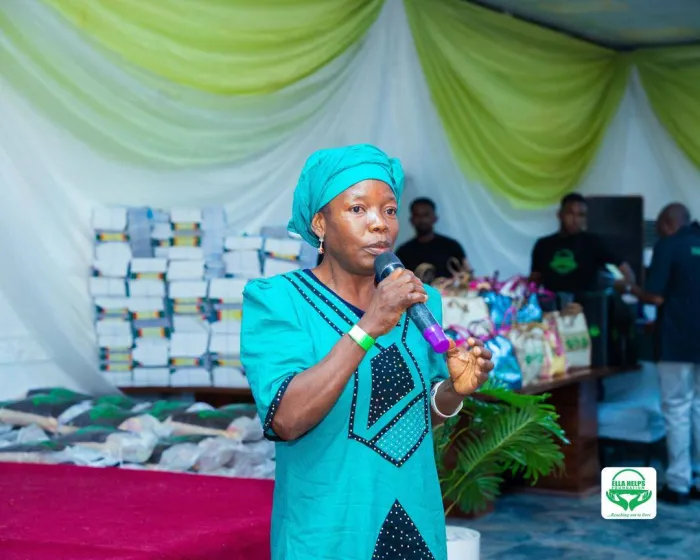
Mrs. Christy Ella Edwin, the founder, shared the personal connection behind her work: “I watched my mother struggle as a single mother and later as a widow. I experienced it myself when I lost my husband. This work is personal. I understand the pain, the fear, the longing for support.” Her words carried the weight of lived experience and a promise of expanded impact beyond Suleja.
The Emir of Suleja, Alhaji Awwal Ibrahim, praised the initiative through his representatives, the Dagaci and District Head, Alhaji Bello Saleh. “It is rare to see such dedication and care. I am elated to witness this,” he said, emphasizing the foundation’s role in restoring dignity and hope to vulnerable members of the community.
The impact was immediate and visible. Widows restocked businesses and fed their families. Children returned to school with new books in hand. Persons with disabilities received support that strengthened both their independence and sense of belonging.
In Suleja, hope arrived quietly, but it left a mark that will linger, reviving dreams, rebuilding lives, and reminding a community that even in hardship, help can come, and when it does, it transforms everything it touches.

Write a Comment