
Causes of Fibroids in Women
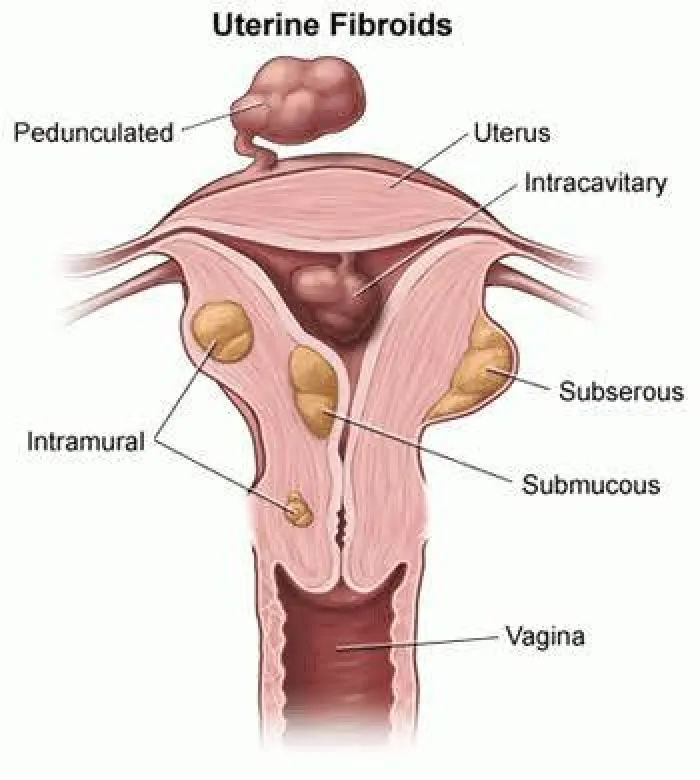
Fibroids (also called uterine fibroids or leiomyomas) are non-cancerous growths that develop in or around the uterus. Although they are very common, the exact cause is not fully understood. However, several factors are known to contribute to their development.
1. Hormonal Factors (Estrogen and Progesterone)
Fibroids are strongly influenced by reproductive hormones:
• Estrogen and progesterone stimulate the growth of the uterine lining during each menstrual cycle.
• These same hormones also promote the growth of fibroid tissue.
• Fibroids tend to grow during reproductive years, and often shrink after menopause when hormone levels drop.
2. Genetic Factors
• Many women with fibroids have a family history of the condition.
• Certain gene changes that appear in fibroid cells suggest a genetic role.
• If your mother or sister has fibroids, your risk is significantly higher.
3. Race and Ethnicity
• Fibroids are more common and often more severe in Black women.
• Black women tend to develop fibroids at a younger age and may experience faster growth and more symptoms.
• The reasons are not fully clear but may involve genetics, hormone differences, and environmental factors.
4. Growth Factors
• Substances in the body called growth factors, which help tissues repair and regulate development, may influence fibroid growth.
• These include insulin-like growth factor and other chemical messengers.
5. Extracellular Matrix (ECM) Abnormalities
• ECM is the material that helps cells stick together.
• Fibroids contain more ECM than normal uterine tissue, making them firm or rubbery.
• Changes in ECM may encourage fibroids to grow and become larger.
6. Early Menstruation
• Women who start their periods at a young age have a higher risk of developing fibroids later in life.
• This may be related to longer lifetime exposure to estrogen and progesterone.
7. Lifestyle and Environmental Factors
Some factors may increase fibroid risk:
• Obesity, which raises estrogen levels.
• Diet high in red meat and low in fruits and vegetables.
• Alcohol consumption, particularly beer.
• Vitamin D deficiency, which is common in many women.
8. Pregnancy and Childbirth
• Women who have never been pregnant have a slightly higher risk.
• Pregnancy appears to have a protective effect, possibly due to hormonal changes.

Write a Comment